Product strategy that turns a long backlog into a clear next move.
Positioning, opportunity mapping, and prioritized roadmaps grounded in user evidence and business metrics — for teams with more ideas than capacity.
Most teams don't need more ideas. They need a defensible reason to say no to most of them.
I help founders and product teams decide what to build next: what the product is for, who it's for, which opportunities are worth capacity this quarter, and how you'll know it worked. Strategy here is a short, sharp document your team can actually use — not a deck that gets filed.
The strategy problems I hear most.
Two hundred tickets and no framework for choosing between them.
Which means nothing gets the focus it needs to land properly.
The team can't explain in one sentence who the product is for.
Features ship, nobody agrees whether they worked.
Who it's for, what it replaces, and why it wins — in plain language.
User problems mapped against business value and delivery effort.
A sequenced plan with a clear now, next, and later.
The numbers each initiative should move, agreed before build.
Where the market is crowded and where the gap actually is.
Facilitated sessions that get stakeholders to one shared plan.
- InputsInterviews, analytics, support data, and stakeholder goals.
- FramingDefine the problem space, positioning, and constraints.
- PrioritizationScore opportunities against impact, effort, and confidence.
- RoadmapA sequenced plan with owners, metrics, and review points.
Decide where to point a small team for the next two quarters.
Bring structure to a backlog and a roadmap you didn't write.
Pressure-test the plan before it costs half a year.
Strategy from a designer — so the plan comes with a picture of what it looks like built.






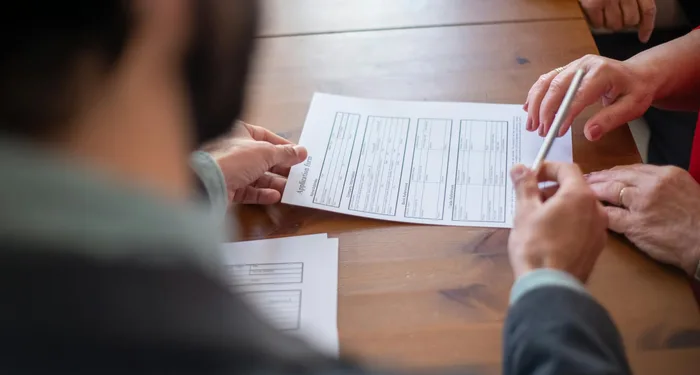



The tools I design and build with, end to end.










Strategy that changed what got built.
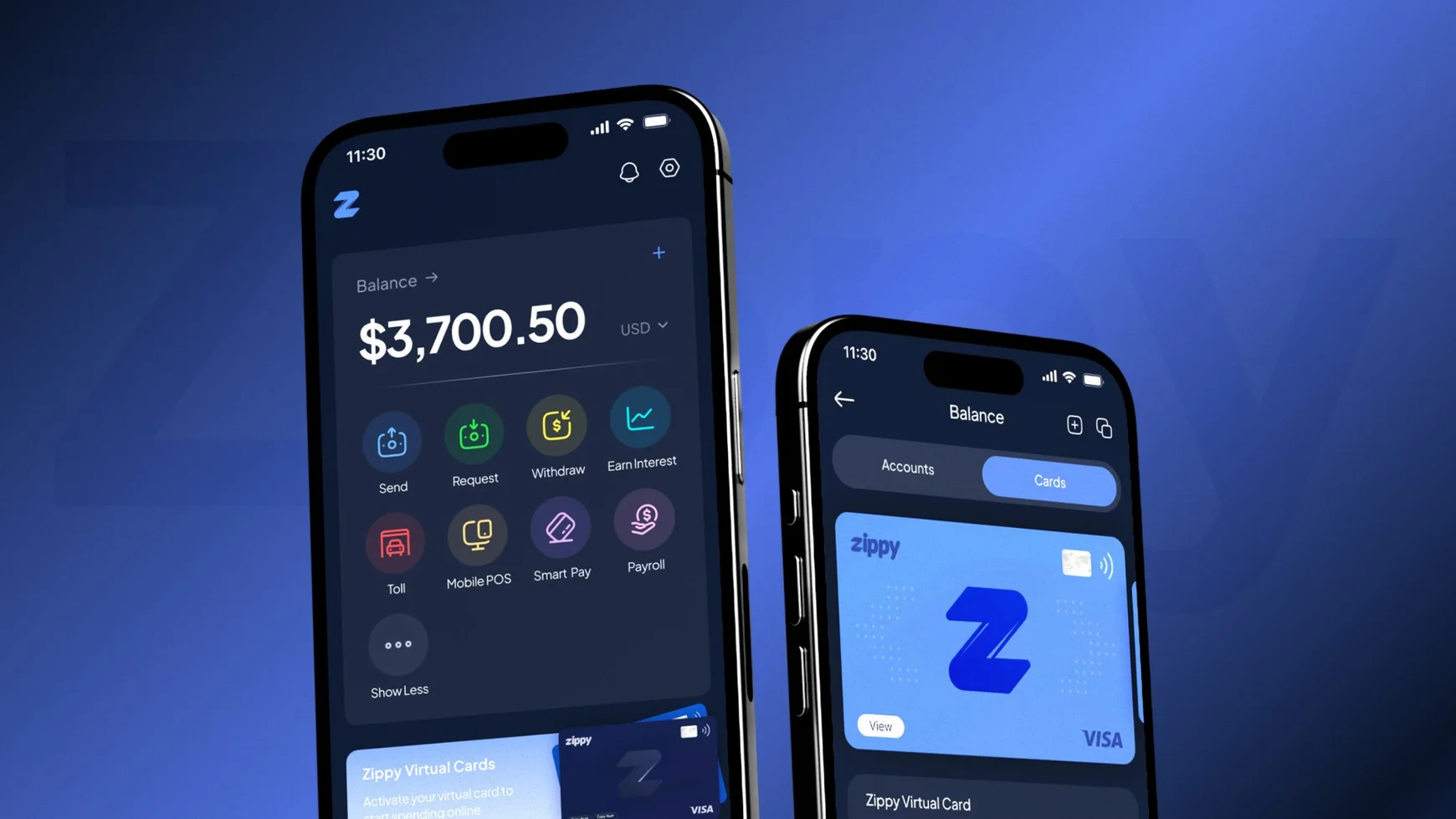
Zippy — tap. pay. zipped.
A multi-currency digital wallet that makes peer-to-peer payments, cards and balances feel effortless.
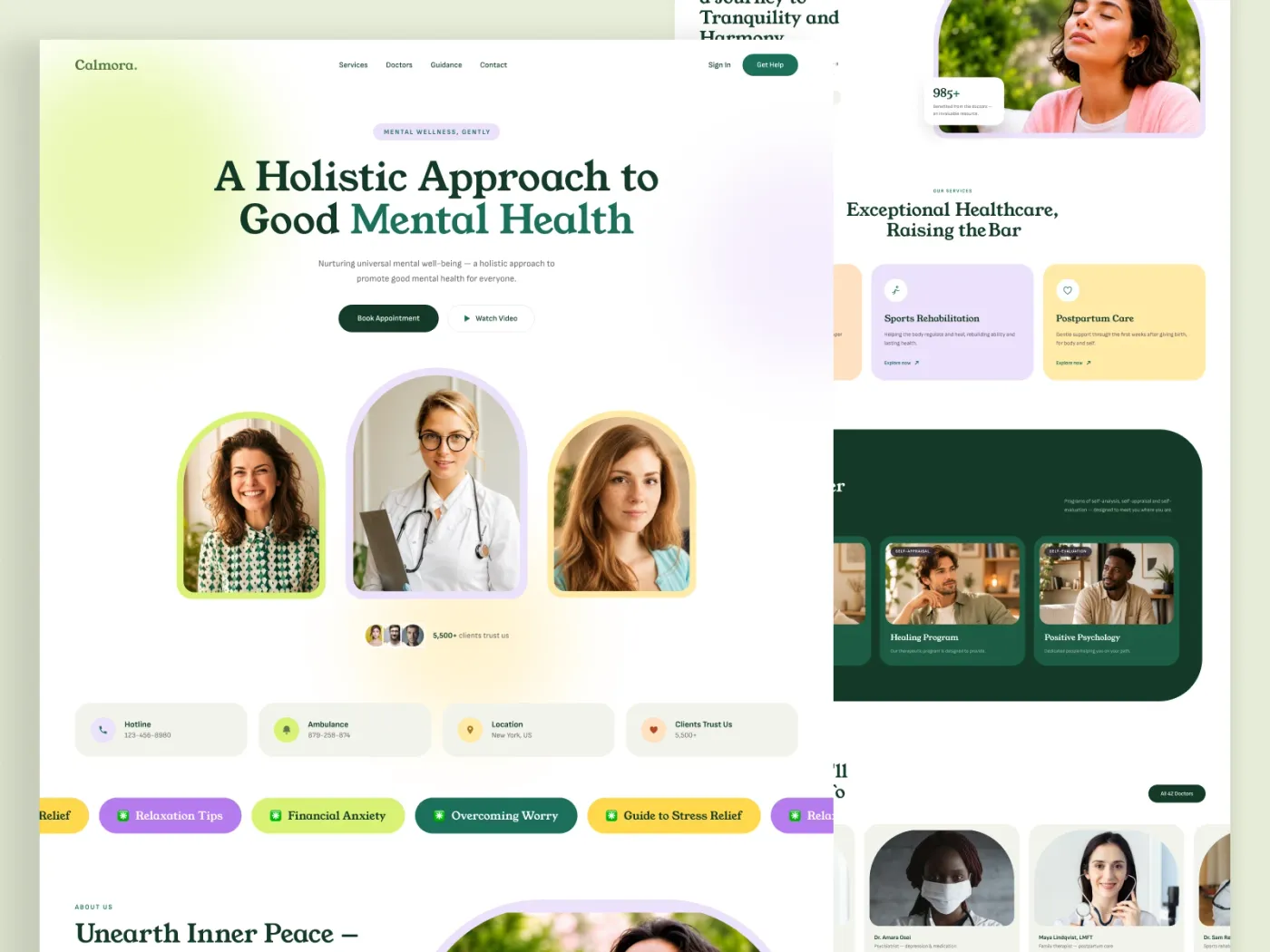
MediCare — patient booking made effortless
A mobile experience that turned a 9-step booking flow into three taps, for all ages and abilities.
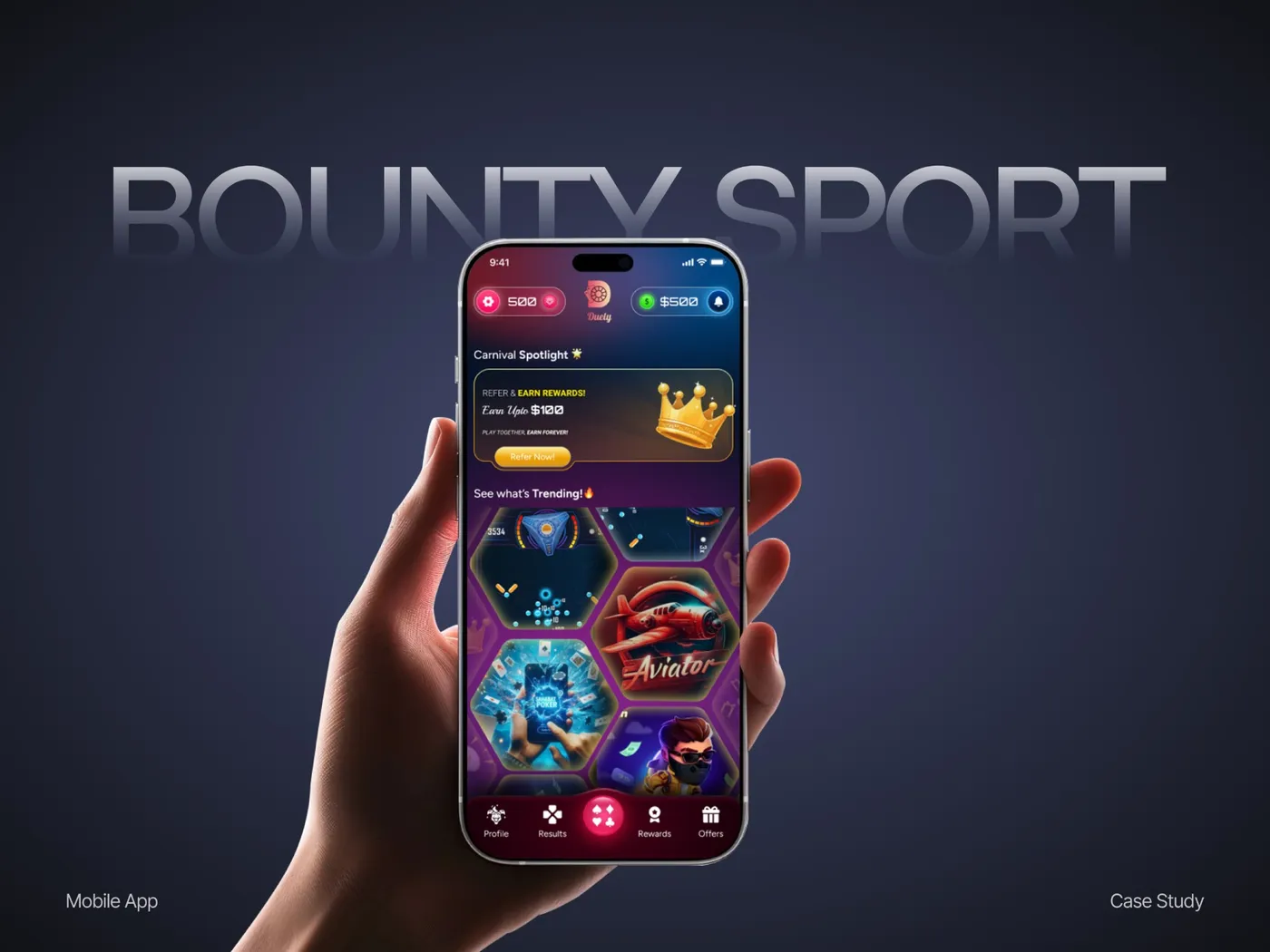
Shelfie — a storefront builder for small retailers
Simplified product listing and checkout so non-technical sellers could launch stores in an afternoon.
A short strategy brief, a scored opportunity map, and a sequenced roadmap with metrics — typically 15 to 25 pages of substance, not a 60-slide deck.
Two to four weeks depending on how much research is needed up front. Workshop-only engagements can run in a single week.
Yes. Facilitated sessions are usually how alignment actually happens — I run them remotely or on site.
Yes, and it's the most common path — strategy into design keeps the reasoning intact through delivery.
Decide what's next.
Tell me the decision you're stuck on — I'll scope a strategy engagement that resolves it.