Wireframing and prototyping that settle arguments before code.
Low-fidelity wireframes, user flows, and clickable interactive prototypes — the cheapest way to test structure, align stakeholders, and validate a flow with real users before development starts.
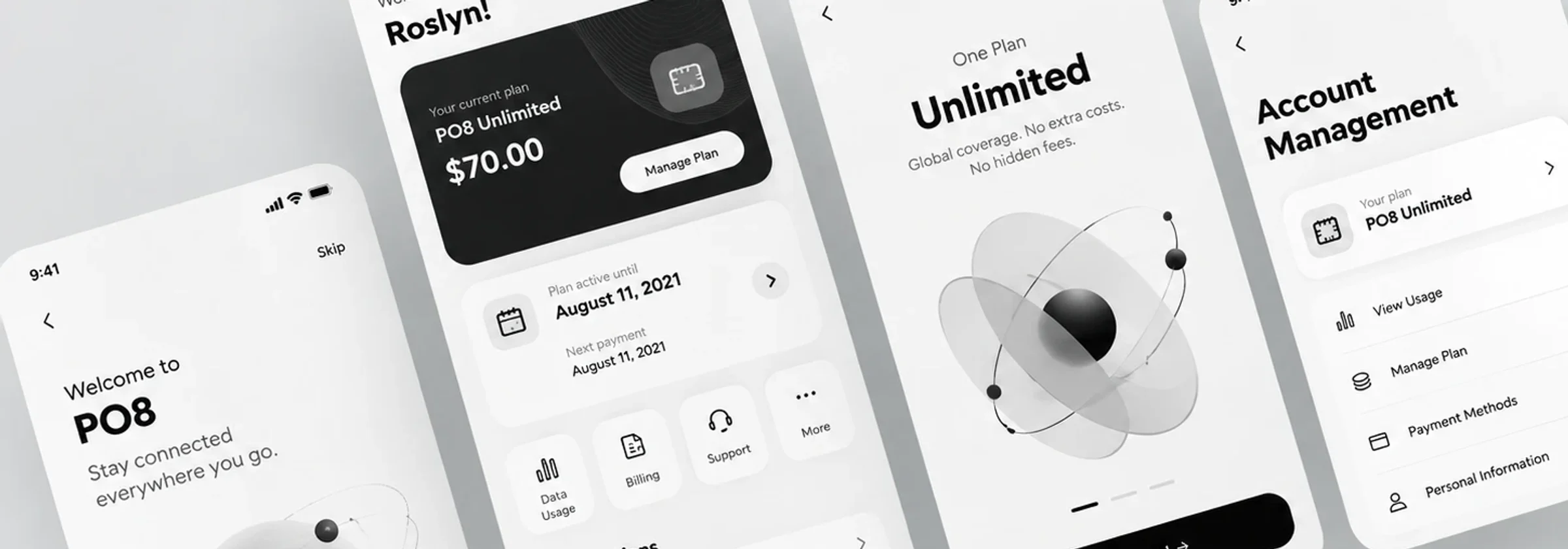
A wireframe costs a day to change. The same decision costs a sprint once it's in code.
Wireframing and prototyping is where the structure of a product gets decided: what goes on the screen, in what order, and what happens on every tap. I produce wireframes and interactive prototypes in Figma and Framer that stakeholders can review, users can test, and engineers can scope — so by the time visual design begins, the hard questions are already answered.
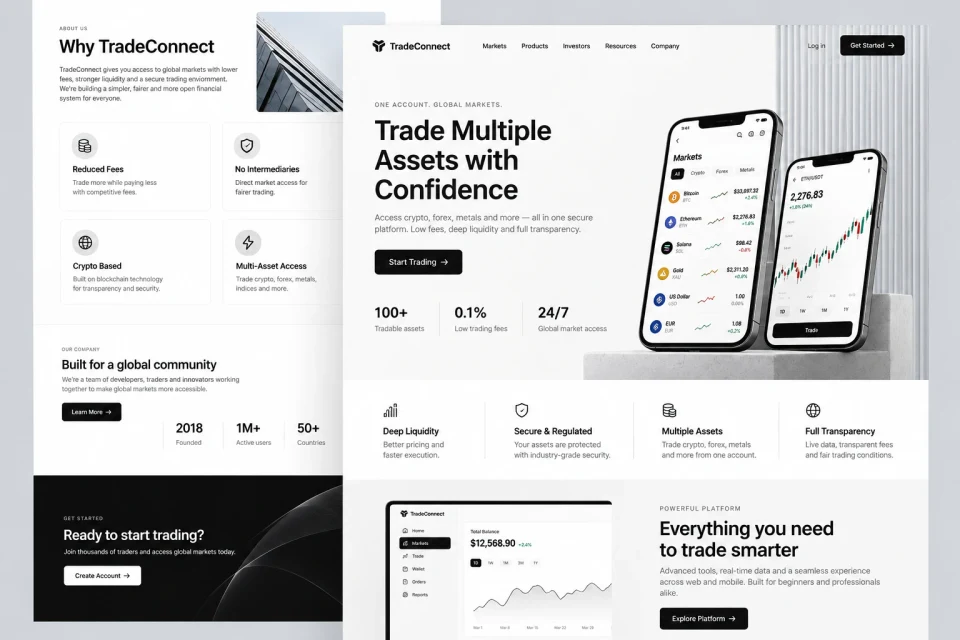
Why teams get stuck before build.
The spec reads clearly to five people who each pictured a different product.
Structural problems surface in QA, when changing them is most expensive.
You can't tell whether a flow works by looking at disconnected screens.
Without a mapped flow, edge cases get discovered one ticket at a time.
Every path, decision point, and edge case mapped before a screen is drawn.
Fast, deliberately plain layouts that keep feedback on structure, not color.
Navigation, hierarchy, and content grouping that scale with the product.
Clickable Figma or Framer prototypes with real navigation and states.
Moderated sessions that catch flow problems while they're still cheap.
Walkthroughs with engineering to size the work before committing to it.
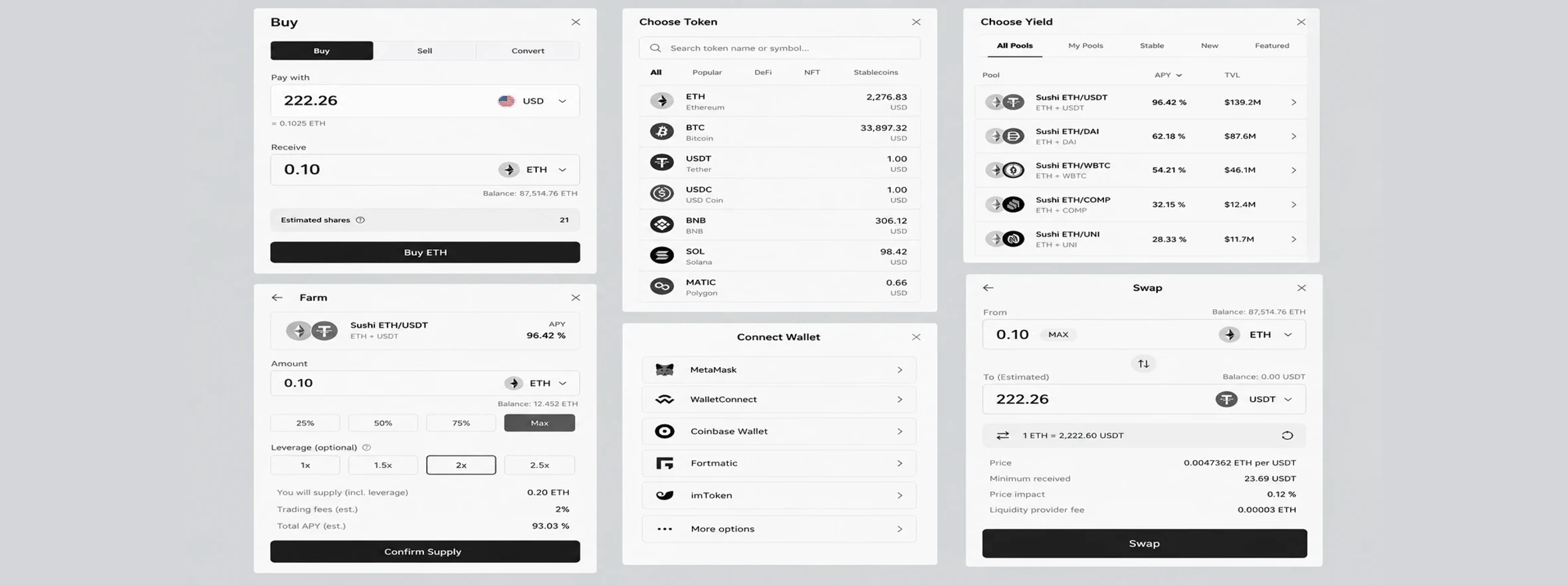
- Define the flowsAgree the tasks the product must support, and their priority order.
- WireframeRapid greyscale layouts, reviewed in short cycles rather than one big reveal.
- PrototypeWire the screens together into a clickable flow with real interaction.
- Test & decideTest with users or stakeholders, then lock the structure for visual design.
See and test the product before committing budget to building it.
Pressure-test the flow while changes still cost hours.
A working prototype makes the case that a document can't.
Prototypes built to be tested and thrown away — not polished to protect them from feedback.
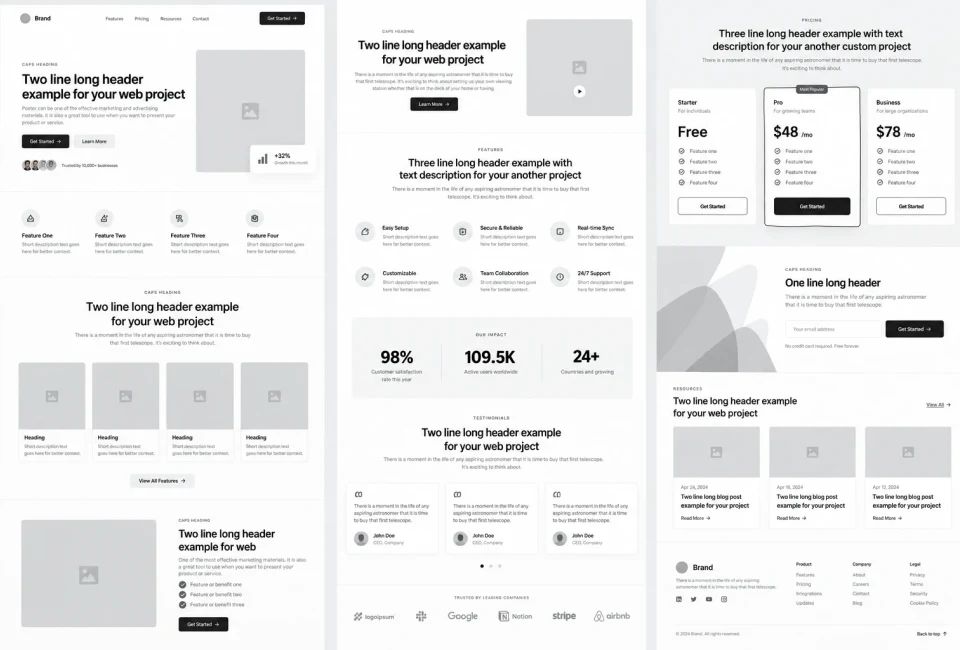










The tools I design and build with, end to end.









Structure resolved before a line of code.
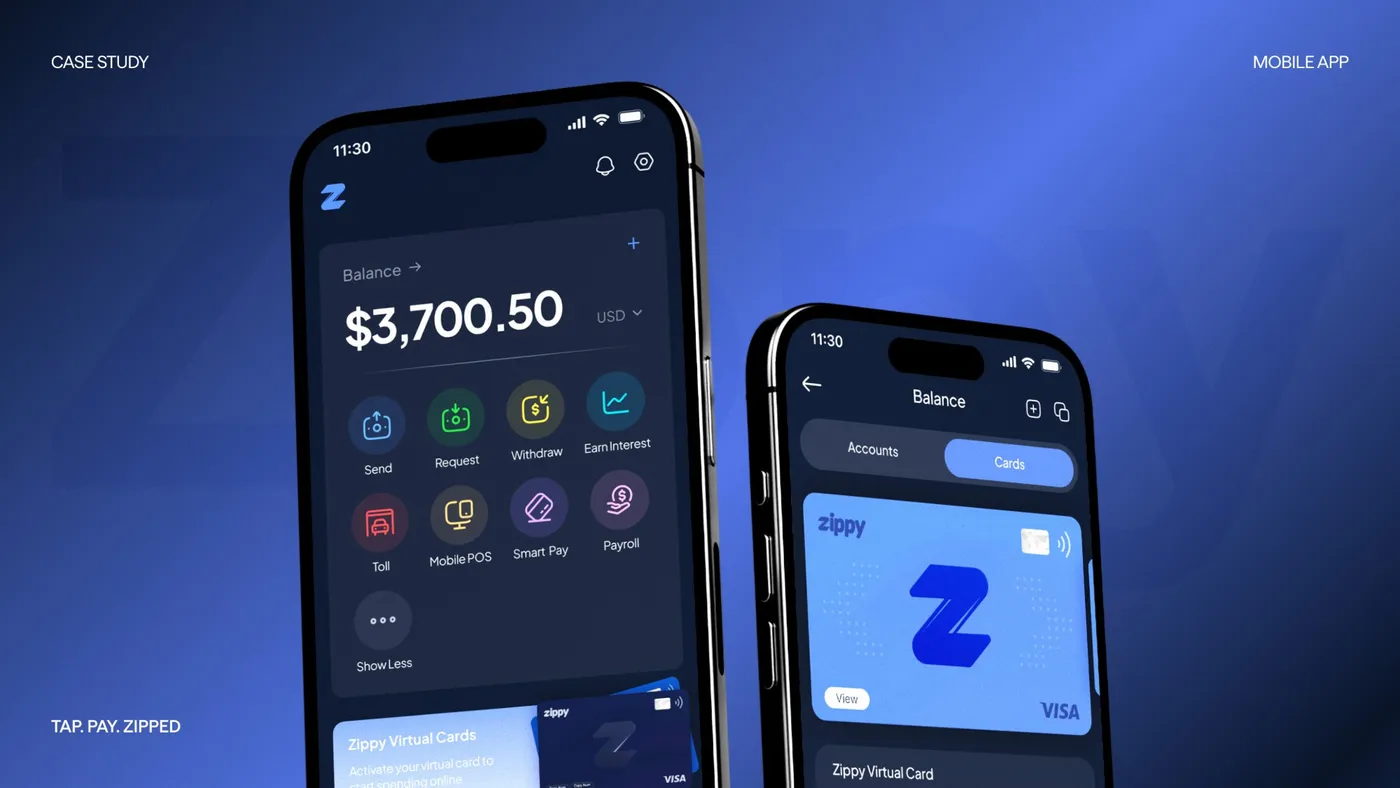
FinPay — unified invoicing & payments dashboard
Redesigned a fragmented back office into one clear operational view for finance teams.
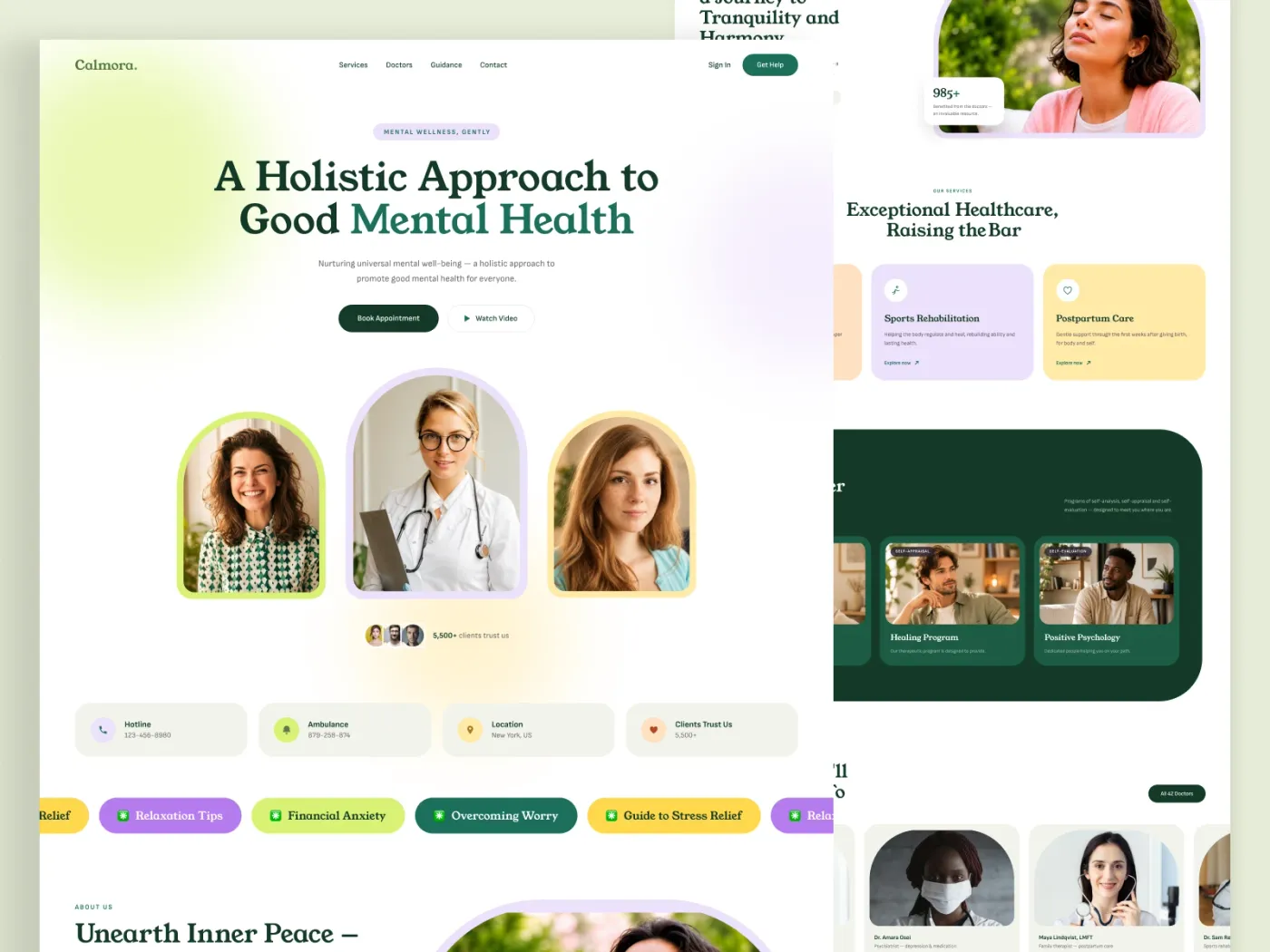
MediCare — patient booking made effortless
A mobile experience that turned a 9-step booking flow into three taps, for all ages and abilities.

Shelfie — a storefront builder for small retailers
Simplified product listing and checkout so non-technical sellers could launch stores in an afternoon.
A wireframe is a static layout that shows structure and hierarchy. A prototype connects those screens into a clickable flow you can navigate and test like the real product.
Deliberately plain — greyscale, real content where it matters, annotated with logic and rules. Low fidelity keeps feedback on structure rather than visual taste.
Yes, that's usually the point. I build prototypes with enough real interaction to run moderated test sessions and get reliable signal.
A focused flow takes about one week. A full MVP wireframe set with a tested prototype typically runs two to three weeks.
Yes, and it's the natural next step — once the structure is validated, high-fidelity UI moves quickly.
Test it before you build it.
Describe the flow you're unsure about — I'll wireframe and prototype it so you can see it work.