UX research and strategy that de-risks what you build next.
User interviews, surveys, journey mapping, and product strategy that turn assumptions into evidence — so you build the right thing before building it right.
Most products don't fail at the pixel level. They fail because teams build on assumptions.
UX research is the fastest way to learn what your users actually need, where your product loses them, and which improvements will move your metrics. I run lean UX research and strategy engagements for AI and SaaS teams — no 80-page decks, just evidence your team can act on the same week.
Sound familiar?
Activation looks fine, retention doesn't — and nobody knows exactly why.
Features ship on opinion and urgency, not on what users demonstrably need.
The same confusion shows up again and again — a symptom of deeper UX debt.
Without evidence the loudest voice wins. Research replaces debate with data.
Structured conversations with real users to surface needs, friction, and mental models.
Heuristic reviews of your product against UX principles and analytics.
End-to-end maps of how users move through your product — and exactly where they drop off.
A ranked roadmap of design opportunities tied to your business goals and metrics.
Where competitors are strong, where they're weak, and where your product can win.
Quantitative signals from your data paired with the qualitative why from research.
- Kickoff & goalsAlign on the questions worth answering and the metrics that matter.
- FieldworkInterviews, surveys, and audits — typically one to two weeks.
- SynthesisPatterns, insights, and opportunity areas, evidenced with clips and quotes.
- RoadmapA prioritized plan your team can act on immediately.
Validate the problem and the flow before engineering spends a sprint on it.
Unblock a stalled metric with evidence about where and why users struggle.
Ground the new direction in real user behavior, not internal opinion.
Research from someone who also designs — so insights become interfaces, not shelf-ware.
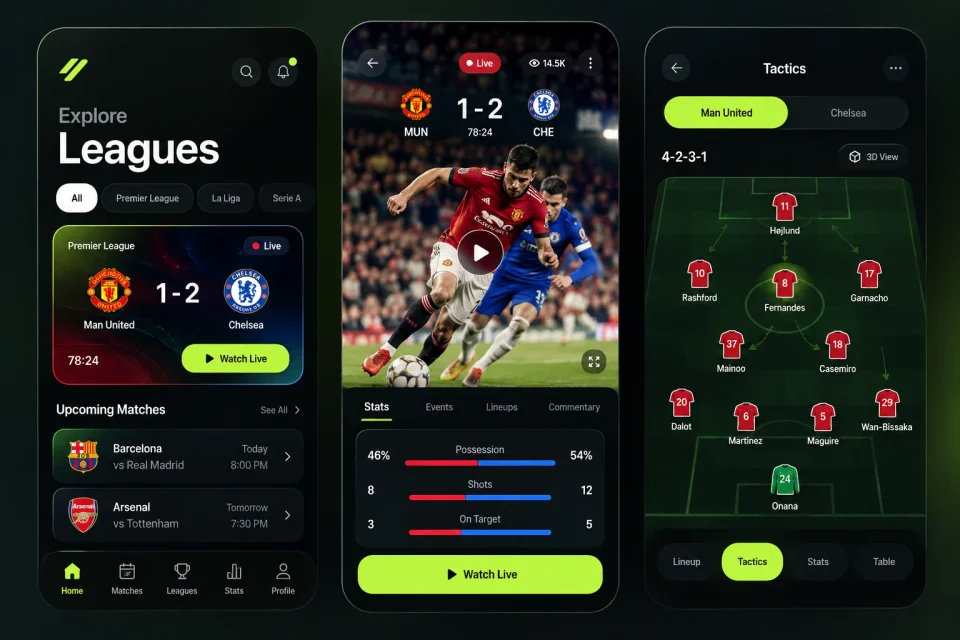










The tools I design and build with, end to end.










Research that shipped — and moved the numbers.
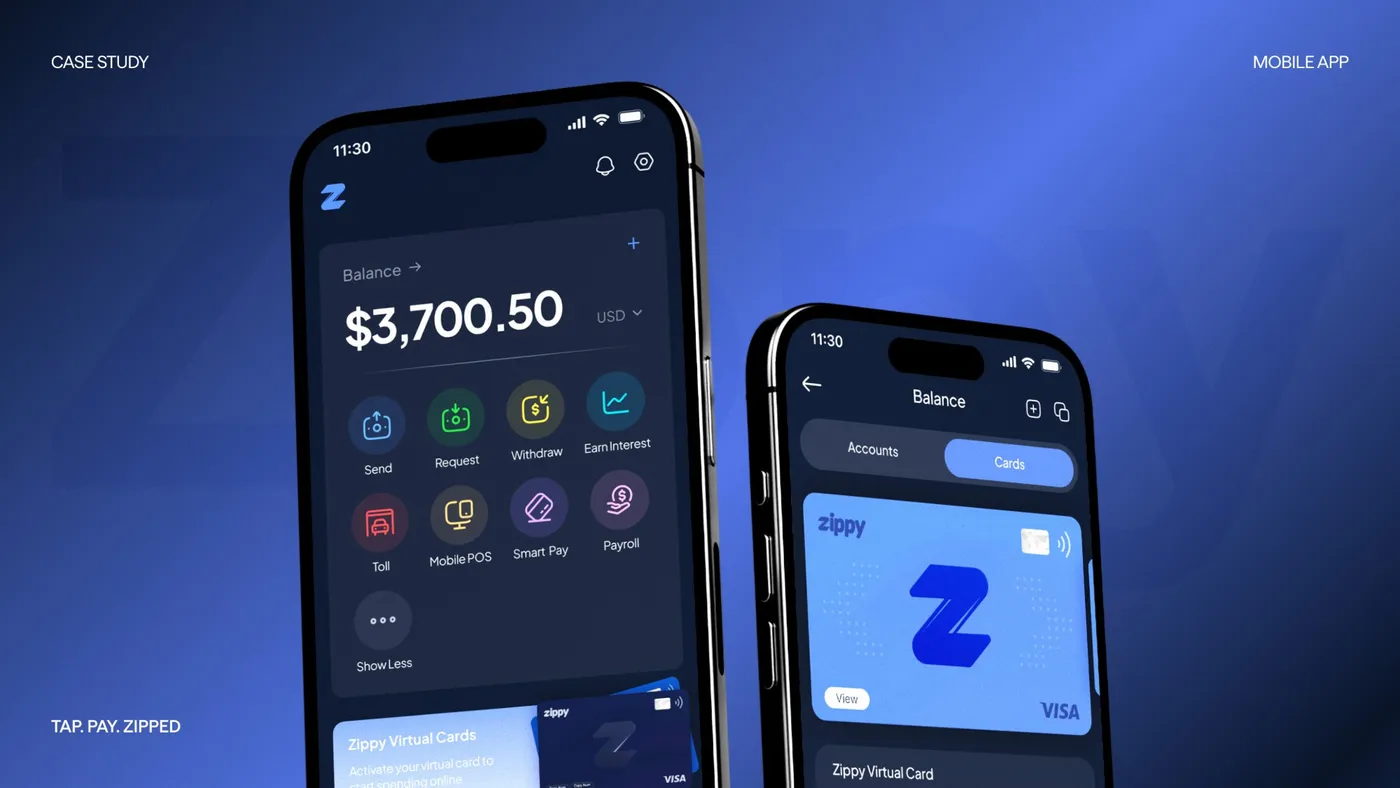
FinPay — unified invoicing & payments dashboard
Redesigned a fragmented back office into one clear operational view for finance teams.
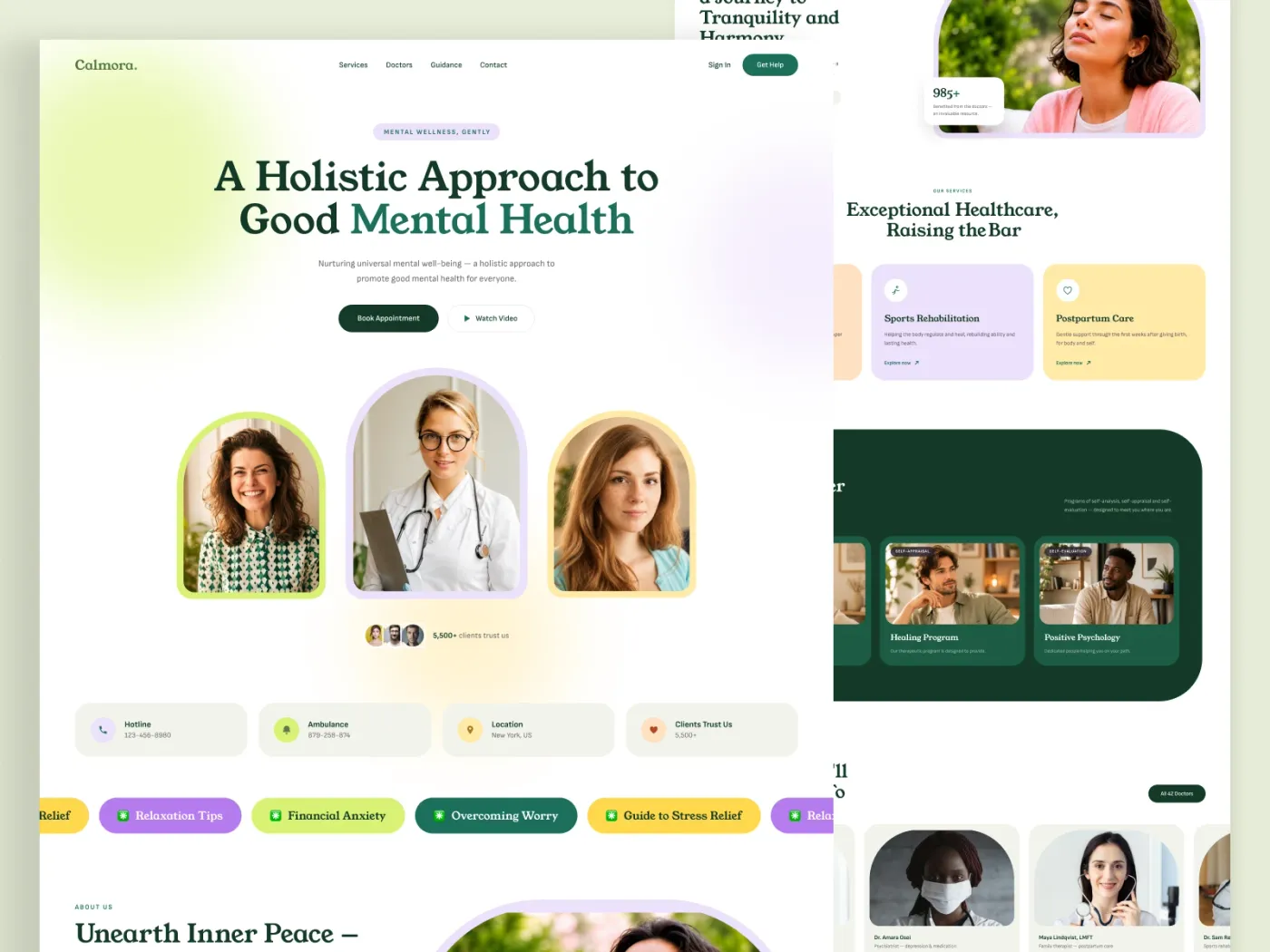
MediCare — patient booking made effortless
A mobile experience that turned a 9-step booking flow into three taps, for all ages and abilities.

Shelfie — a storefront builder for small retailers
Simplified product listing and checkout so non-technical sellers could launch stores in an afternoon.
Typically one to two weeks of fieldwork plus a few days of synthesis — most engagements complete within three weeks.
A concise findings report, journey maps, personas where useful, and a prioritized roadmap of design opportunities tied to your metrics.
Yes — I recruit from your user base or through panels, and handle scheduling, incentives, and consent.
Yes. I often run discovery in parallel with delivery, feeding validated insights into each design cycle without blocking the team.
Start with evidence.
Tell me what's slowing your product down — I'll scope a research sprint that answers it.