AI product design that people actually trust and keep using.
End-to-end design for AI products, agents, and copilots — from model capability to an interface that sets expectations, shows its reasoning, and keeps humans in control.
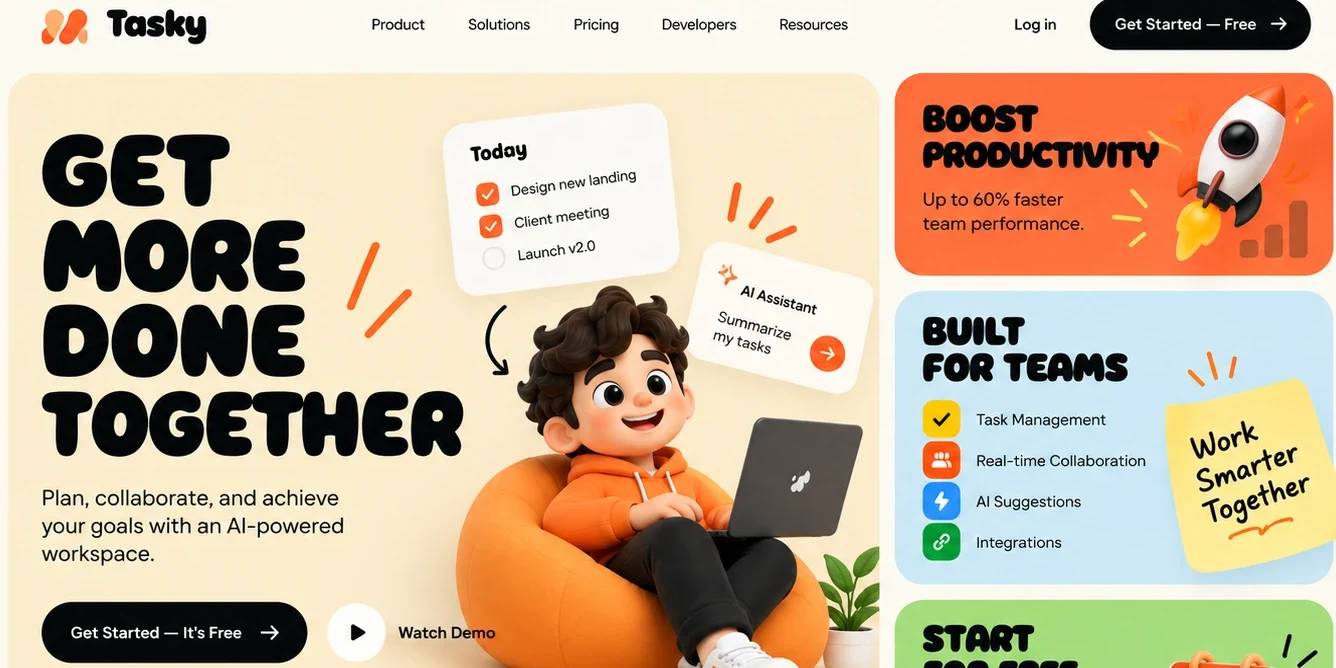
AI products don't fail on model quality. They fail on unclear intent, invisible reasoning, and misplaced trust.
I design AI-native products where the interface does the hard work: framing what the system can do, making outputs reviewable, and handling uncertainty gracefully. From first prompt to production workflow, AI product design turns raw model capability into a product people adopt and return to.
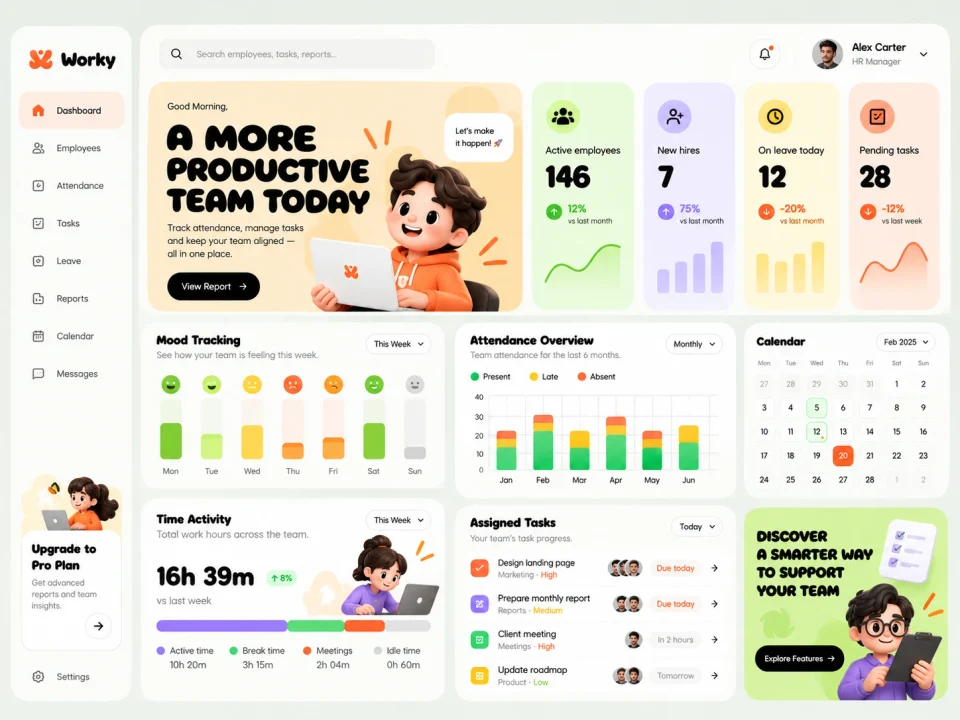
Where AI products lose people.
A blank prompt box is not an interface. Without affordances, adoption stalls on day one.
No sources, no reasoning, no confidence — so users can't tell good answers from bad ones.
One confident hallucination without a recovery path and the user stops coming back.
It impresses in a sales call but never fits into how the work really gets done.
Interaction models for agents, copilots, and assistants that fit real workflows.
Prompt affordances, suggested actions, streaming states, and multi-turn context.
Confidence signals, sources, and explainability patterns that make output verifiable.
Review, edit, approve, and undo flows so people stay accountable for outcomes.
Guided starts that teach capability and set accurate expectations fast.
Clickable and live prototypes that let you evaluate UX and model behavior together.
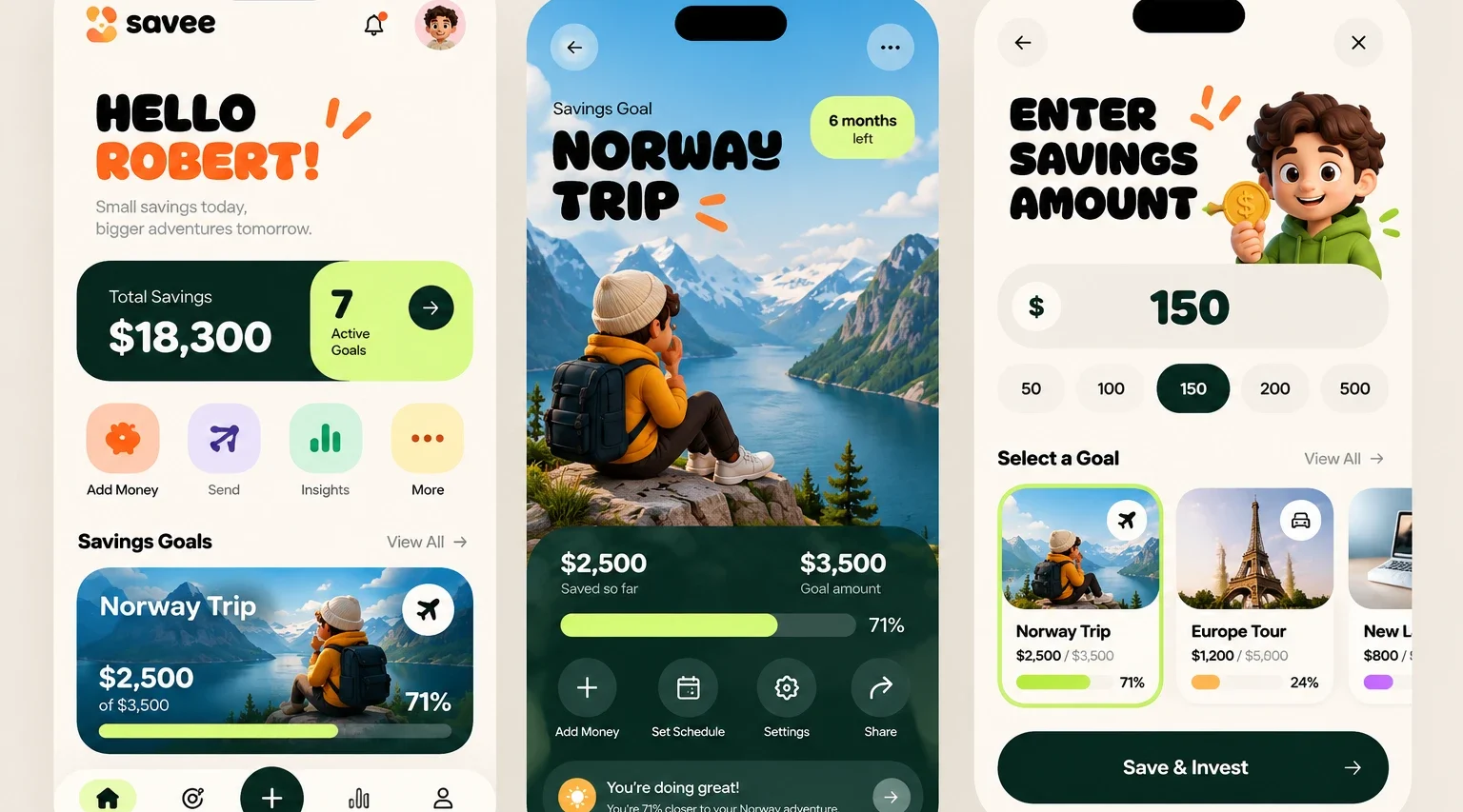
- Capability mappingWhat the model can reliably do, and where it needs guardrails.
- Interaction modelChoose the shape: chat, inline copilot, background agent, or hybrid.
- Trust layerDesign confidence, sources, states, and failure recovery.
- Prototype & testTest with real prompts and real users, then tighten before build.
Turn a strong model into a product with a defensible experience layer.
Introduce copilots and automation without confusing your existing users.
Design for oversight, auditability, and multi-role accountability.
AI design grounded in shipped products, not speculative concepts.
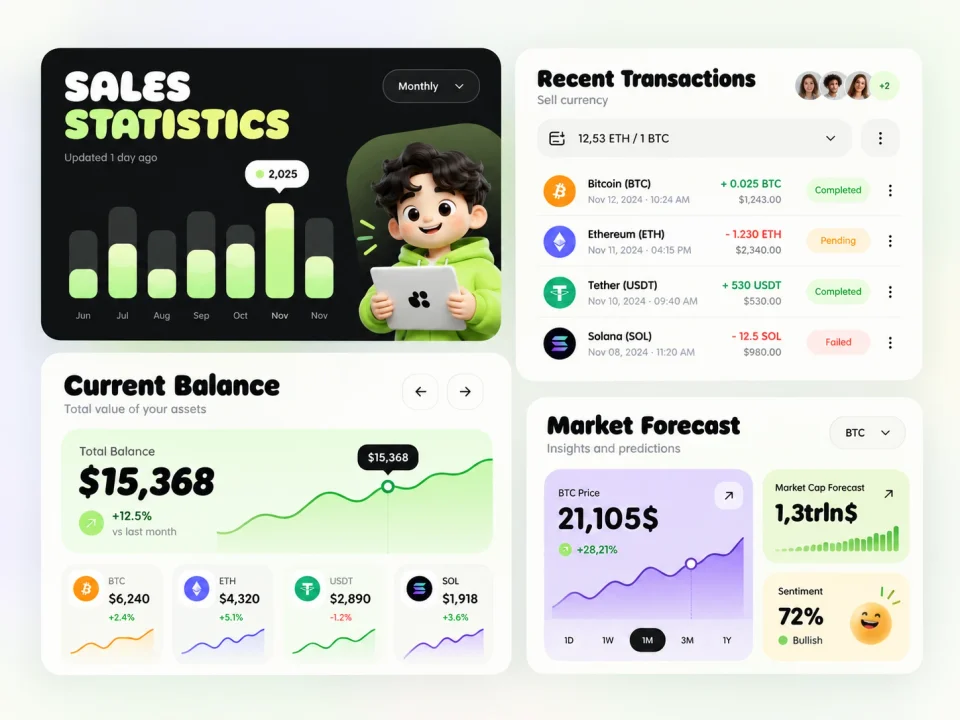










The tools I design and build with, end to end.










AI products designed for trust, adoption, and daily use.
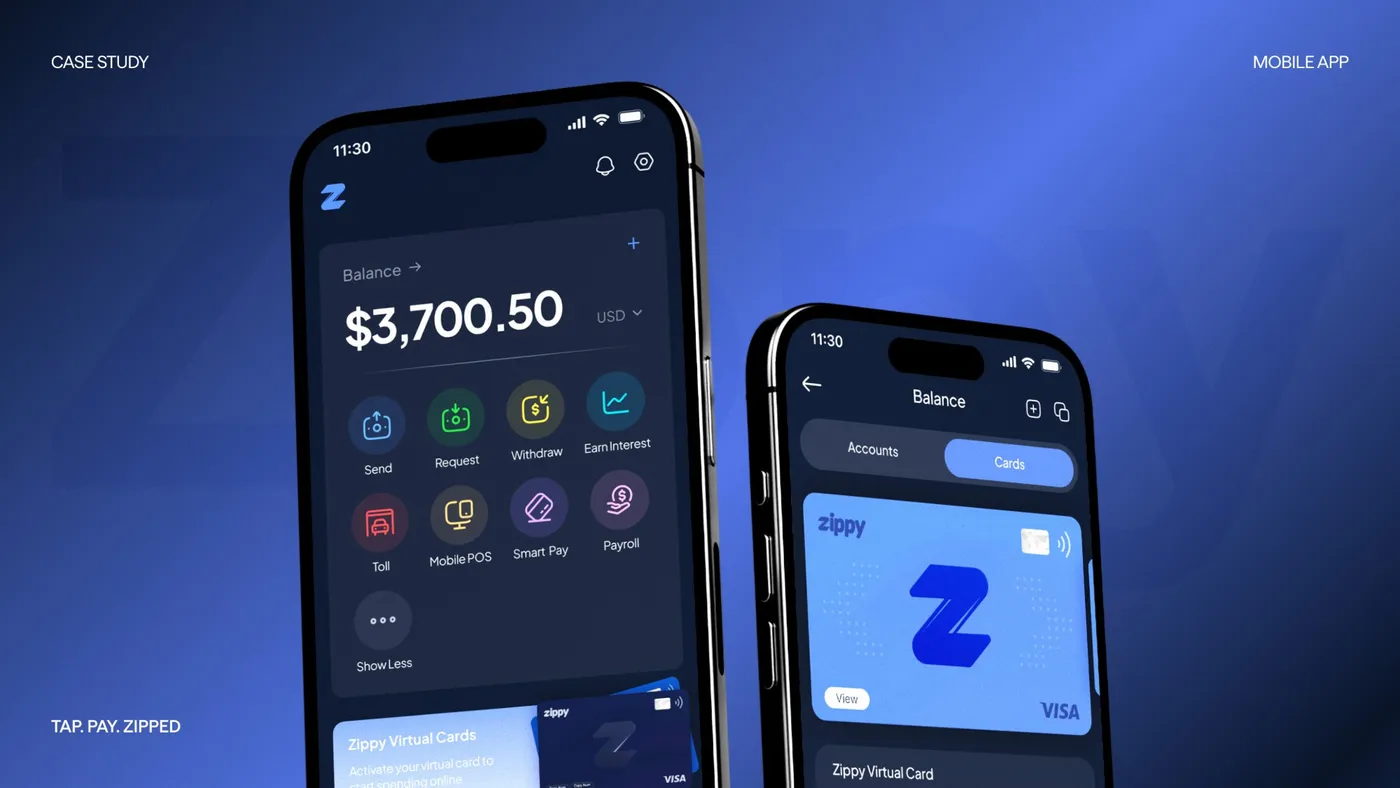
FinPay — unified invoicing & payments dashboard
Redesigned a fragmented back office into one clear operational view for finance teams.
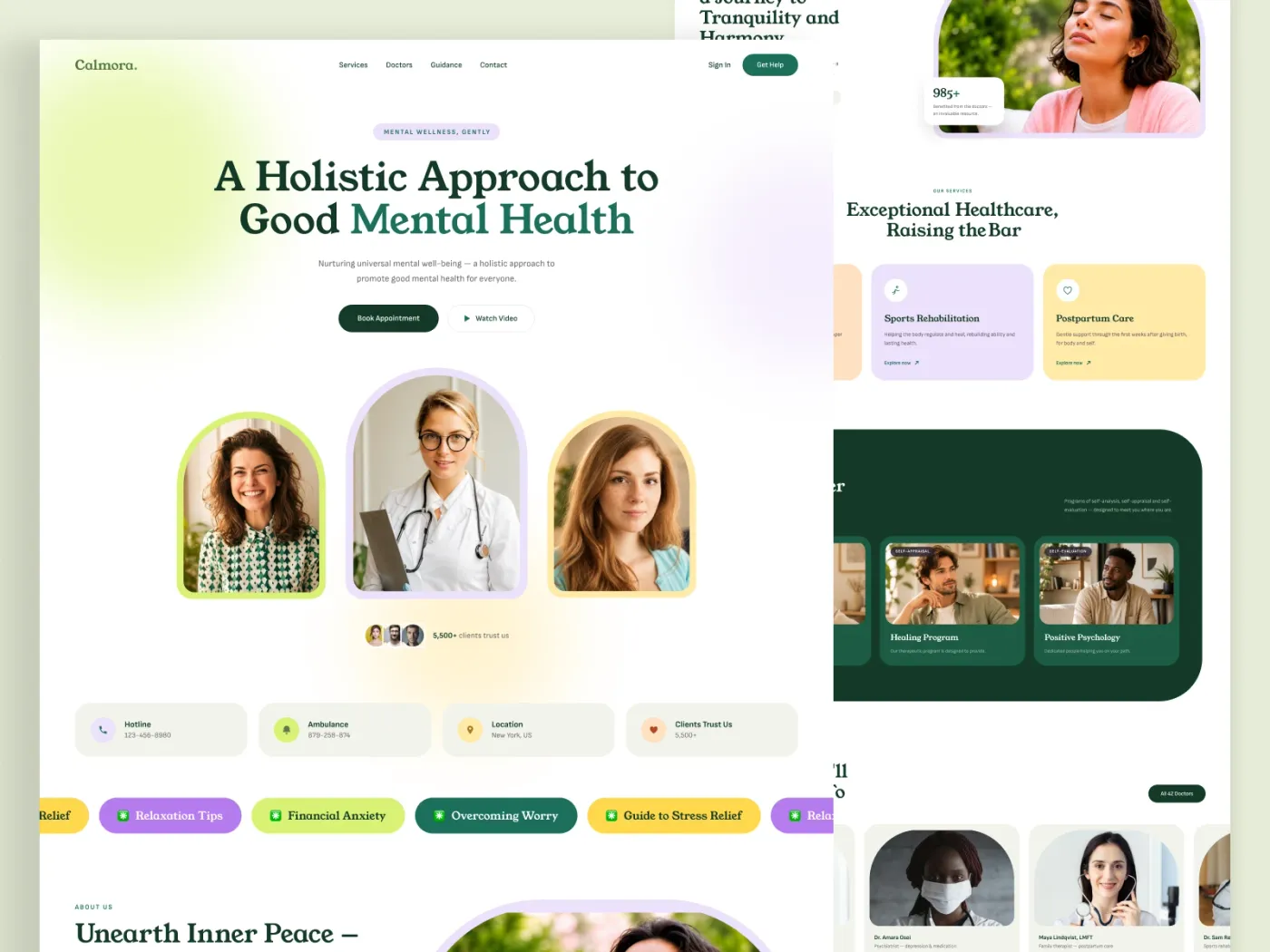
MediCare — patient booking made effortless
A mobile experience that turned a 9-step booking flow into three taps, for all ages and abilities.

Shelfie — a storefront builder for small retailers
Simplified product listing and checkout so non-technical sellers could launch stores in an afternoon.
It's designing the experience layer around a model: how users express intent, how output is presented and verified, and how people stay in control. It covers interaction model, states, trust signals, and recovery paths.
Yes. I work directly with ML and product engineers to understand model behavior, latency, and failure modes, and design within those realities.
Often the better move. I design AI features that inherit your existing patterns so they feel native rather than bolted on.
With citations, confidence framing, editable output, and clear recovery paths — the interface should make verification easy rather than pretend the model is perfect.
Make your AI product usable.
Bring me your model or your prototype — I'll design the experience that gets it adopted.